Designing for Clarity and Adoption: Redesigning El Locale’s Consumer Homepage & Onboarding
An Industry Design Project focused on brand clarity, onboarding, and early consumer adoption
Client: El Locale
Timeline: 5.5 weeks
Role: Design Auditor · UX Designer · UI Designer
El Locale is an e-commerce marketplace that connects consumers with local businesses, services, events, and experiences in one centralized platform.
As part of a three-person student team, I worked on auditing the existing product, improving visual consistency, redesigning the consumer homepage, and designing a new customer onboarding flow to support adoption and long-term engagement.
1. Unclear Brand & Value Proposition
The existing homepage did not clearly communicate what El Locale is, who it is for, or why a user should engage. New users lacked orientation and were required to infer the platform’s value on their own.
2. Inconsistent UI System
Across more than 50 screens, components were inconsistently implemented. Buttons, form fields, cards, spacing, and layout patterns varied significantly due to limited component reuse and unclear design system guidance.
3. Risk to Adoption & Conversion
There was no structured onboarding experience for new consumers. Users were not guided from first visit to meaningful action, such as browsing products or creating an account, increasing the risk of early drop-off.
The redesign was guided by El Locale’s business goals and translated into UX-focused objectives.
No existing user research
No time allocated for usability testing or A/B testing
Incomplete information architecture
Distributed team across time zones
Due to these constraints, design decisions were informed by heuristic evaluation, secondary research, and established e-commerce and onboarding best practices.
The project began with a comprehensive audit of the existing Figma files. The audit was split evenly across the three team members and completed within a 10-day timeline.
The audit focused on:
UI inconsistencies
Broken or missing link destinations
Gaps between IA and screen flows
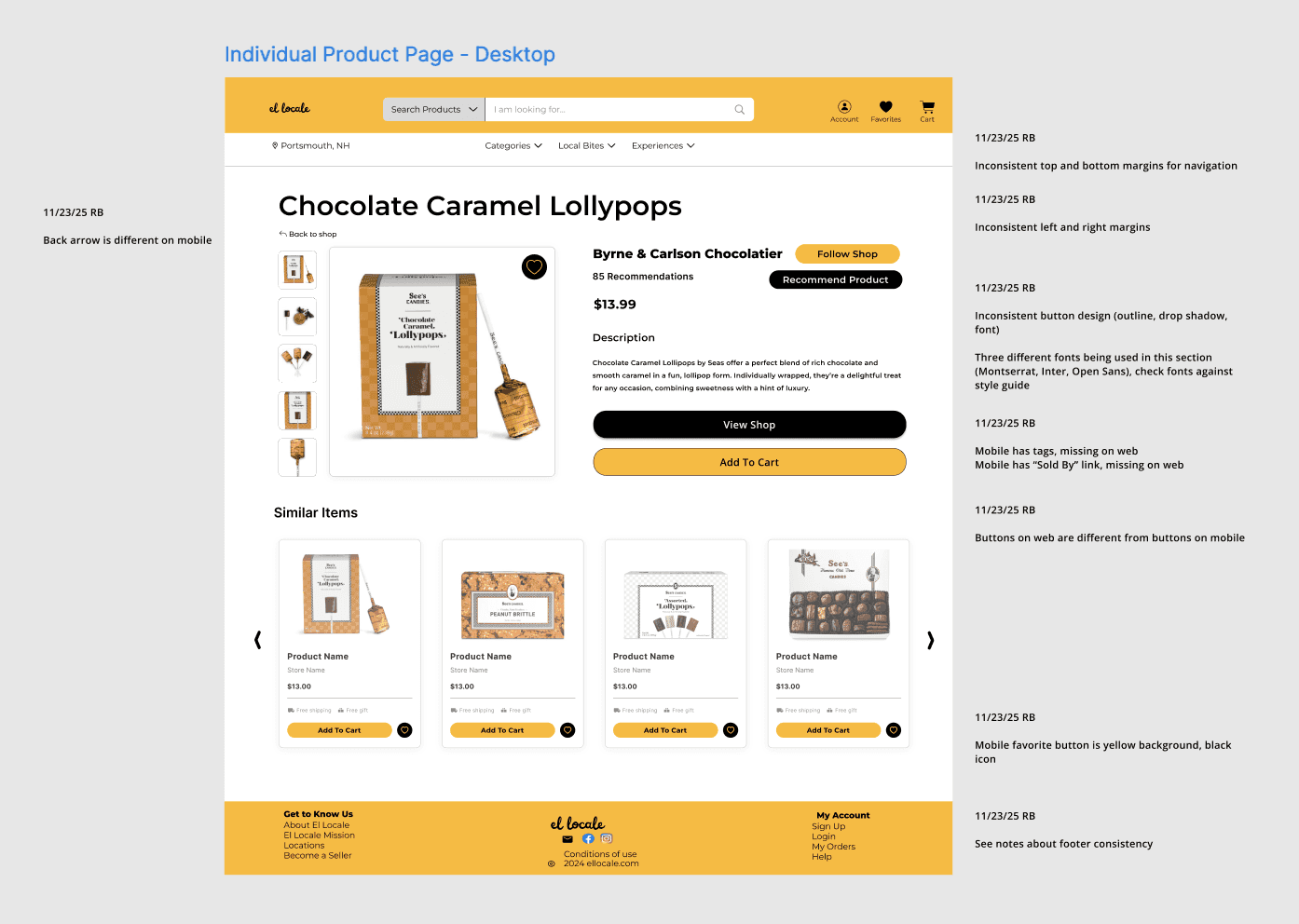
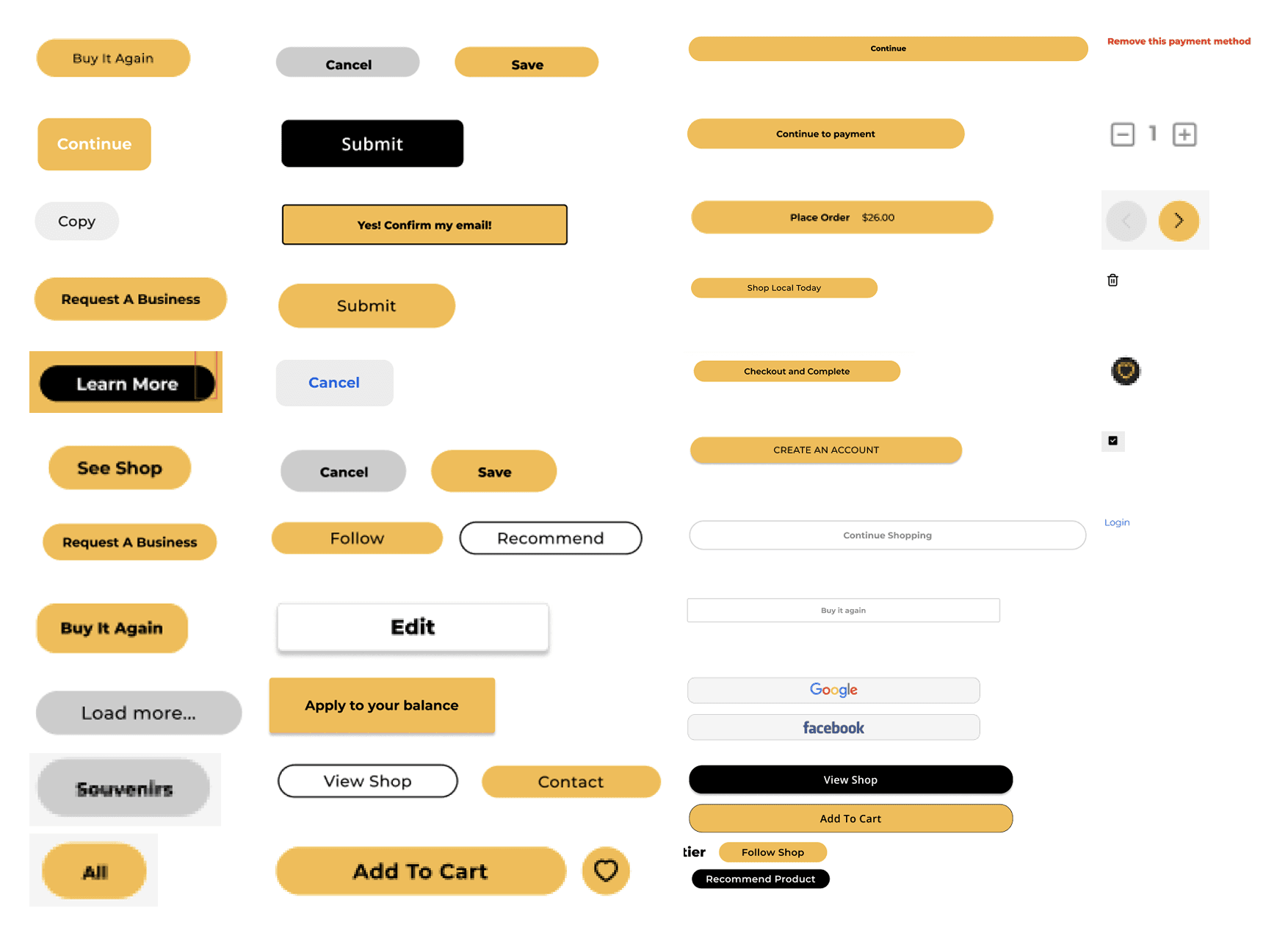
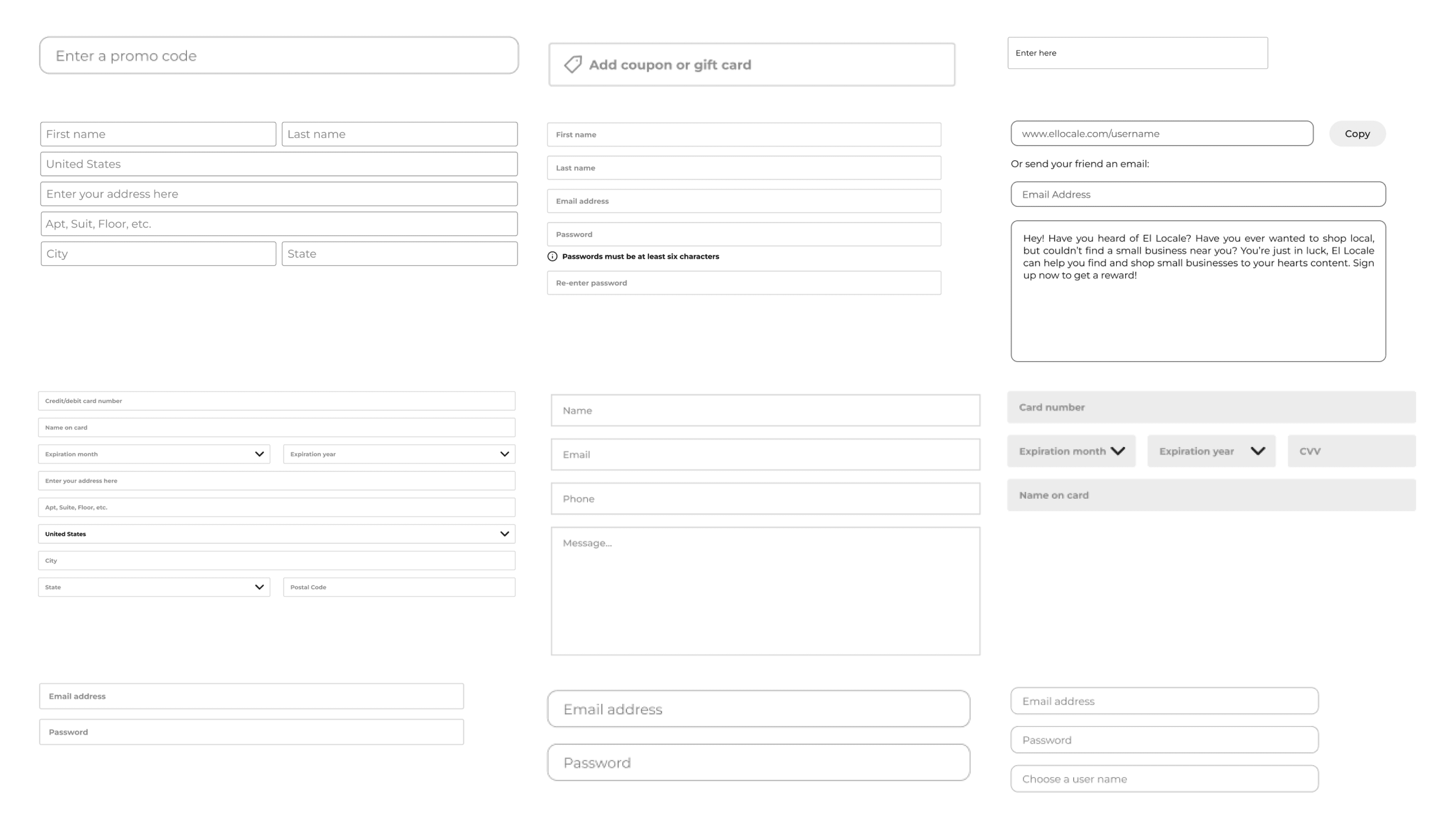
Following the audit review, findings were prioritized as a team. Each member was assigned two core responsibilities. I was responsible for updating the component library, ensuring visual consistency across screens, and designing a new customer onboarding flow.
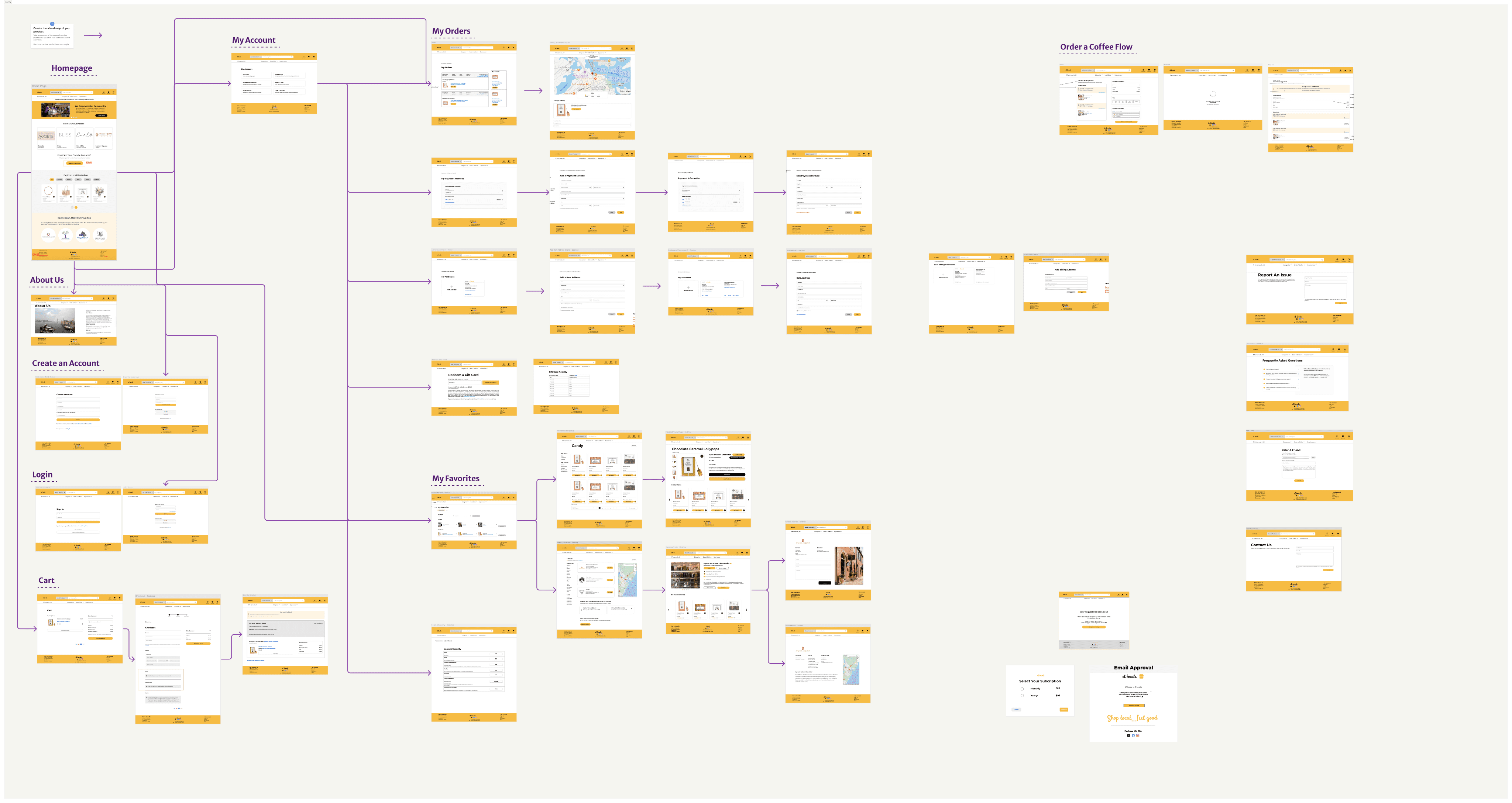
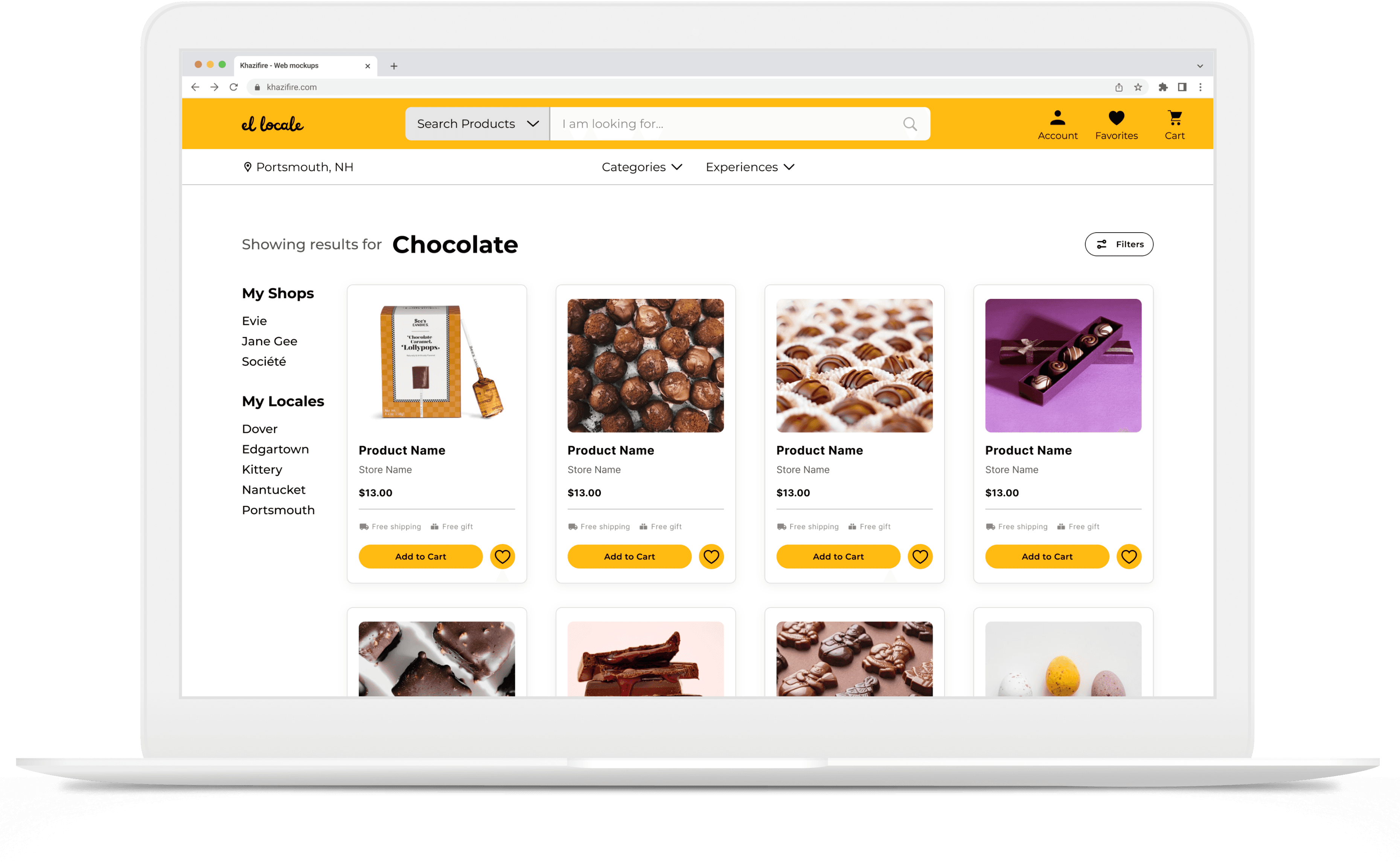
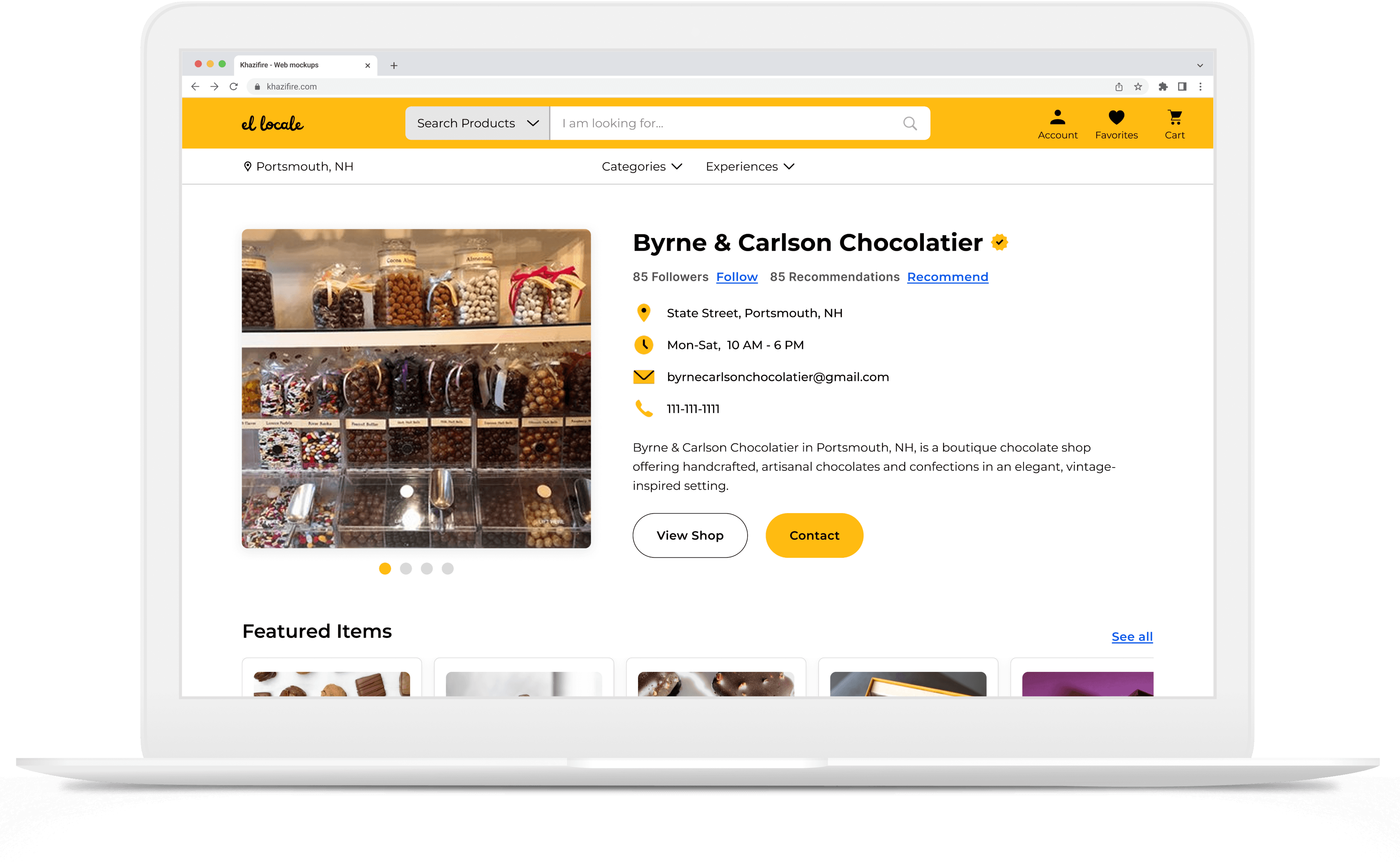
To address widespread inconsistencies, I created a visual map of all consumer-facing screens to identify the most frequently used components. These components were prioritized for redesign and standardization.
The existing component library contained outdated components, lacked organization, and component use guidelines were not clearly outlined.
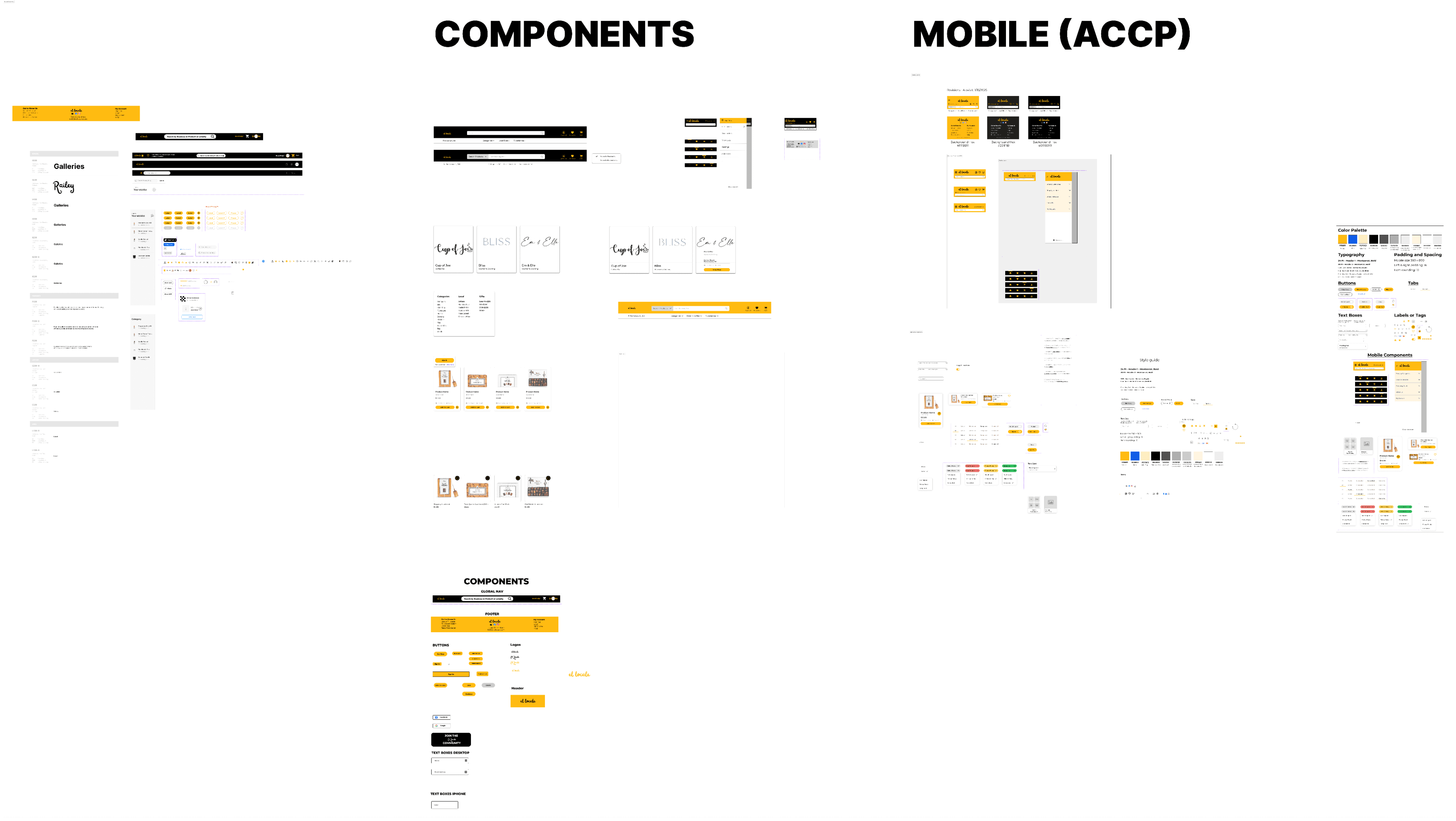
Key updates included:
Header and footer redesign
Standardized button hierarchy
Reusable card components for multiple use cases
Unified form field styles
Updated carousel behavior
Defined spacing and layout margins
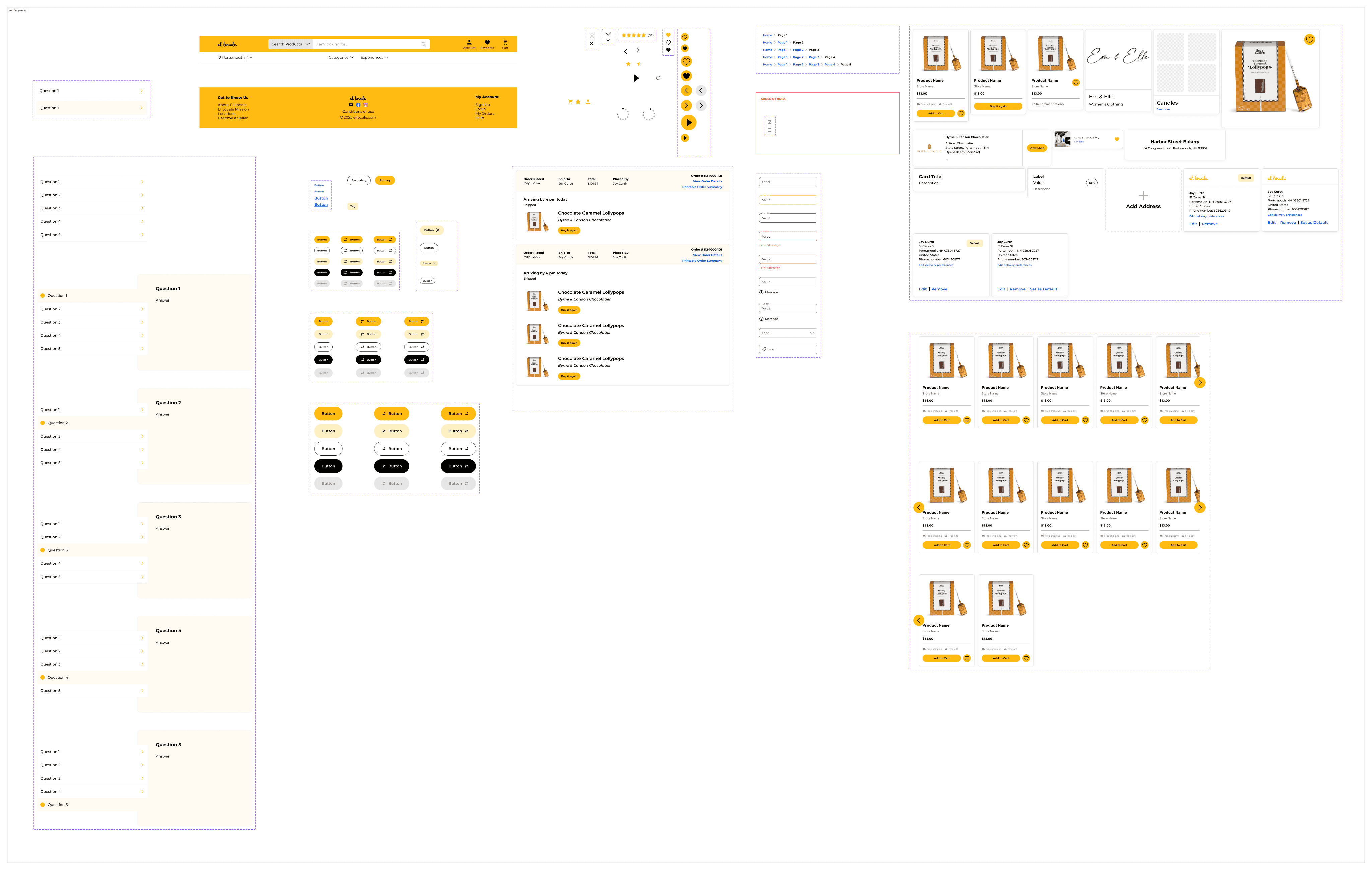
Components were then implemented screen by screen using auto layout to ensure scalability and consistency.
Secondary research was conducted using Nielsen Norman Group guidelines for e-commerce homepages, category pages, and product listing pages, as well as onboarding best practices from Zendesk.
A key insight emerged: onboarding begins on the homepage. The homepage serves as the user’s first point of orientation and plays a critical role in communicating value and encouraging adoption.
This insight informed the decision to redesign the homepage as the first step in the onboarding experience rather than treating it solely as a marketing surface.
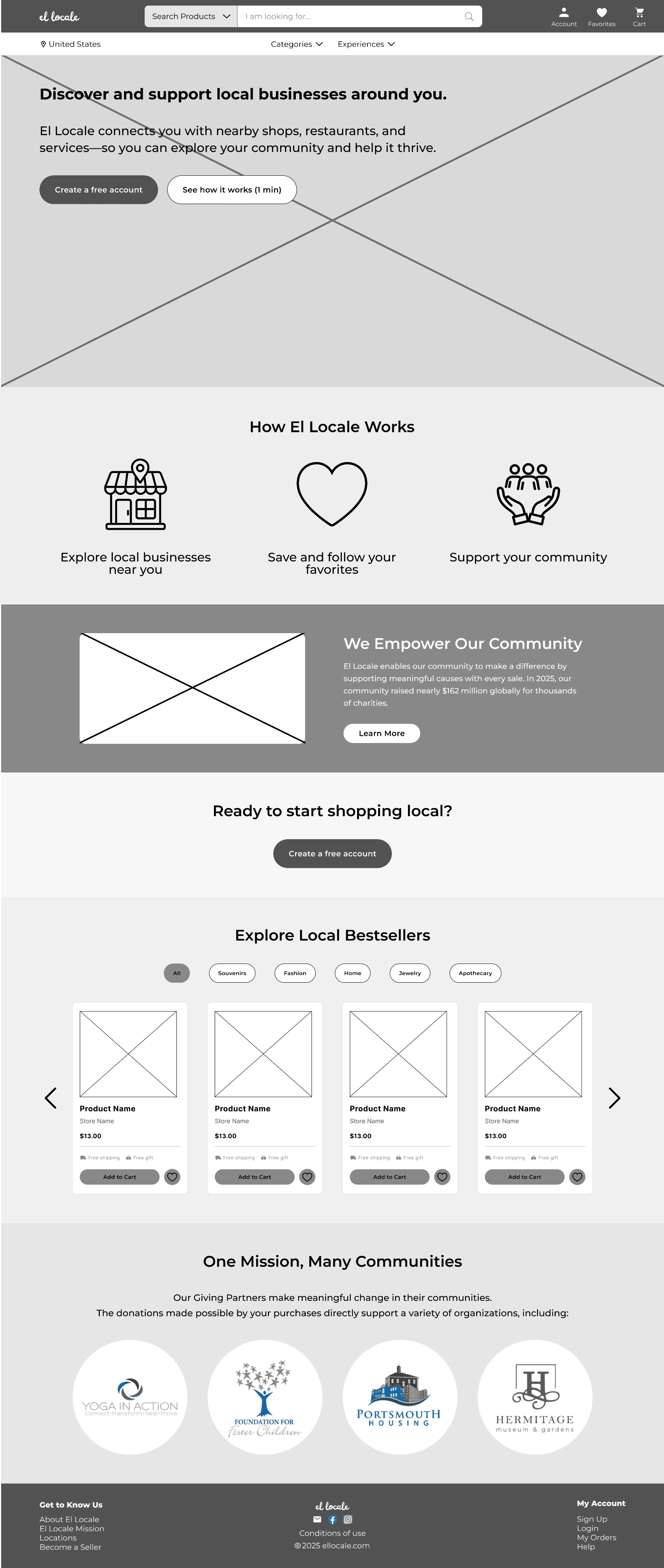
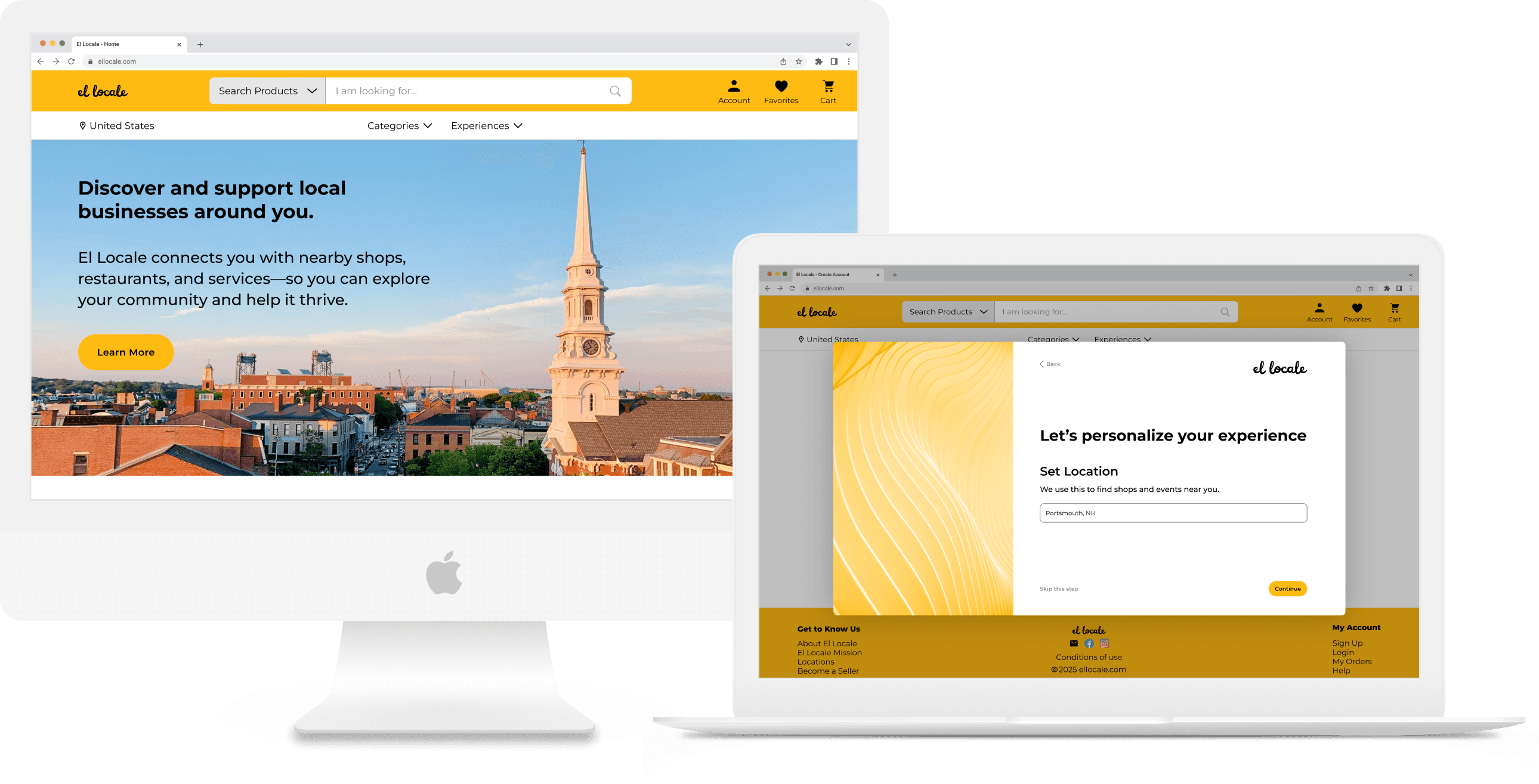
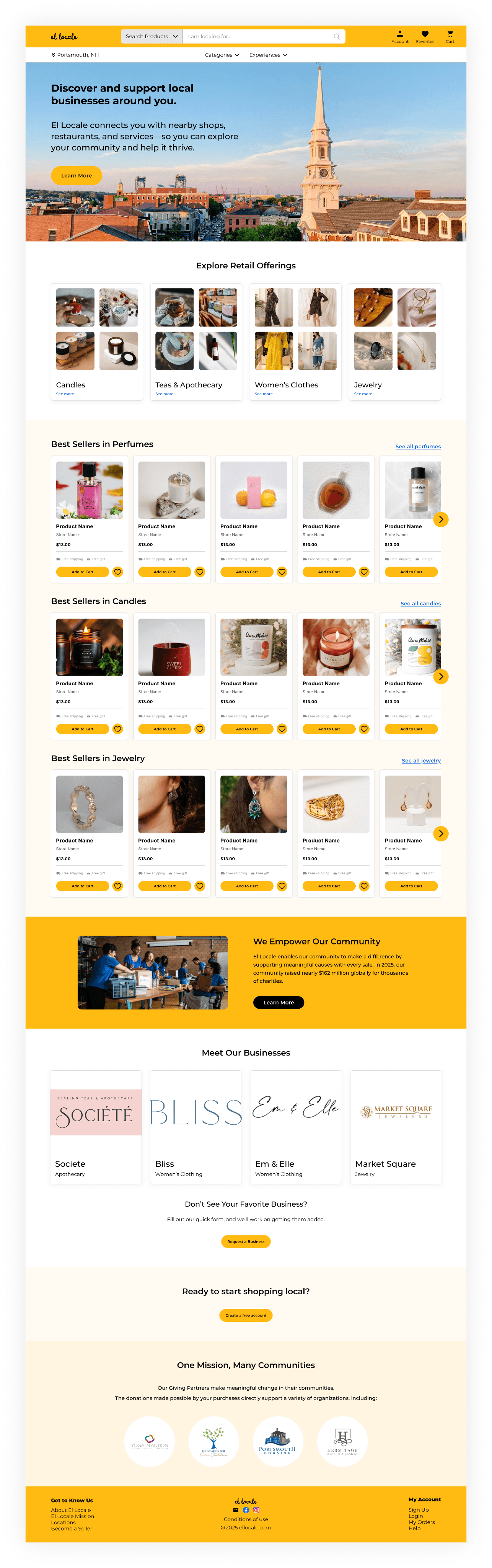
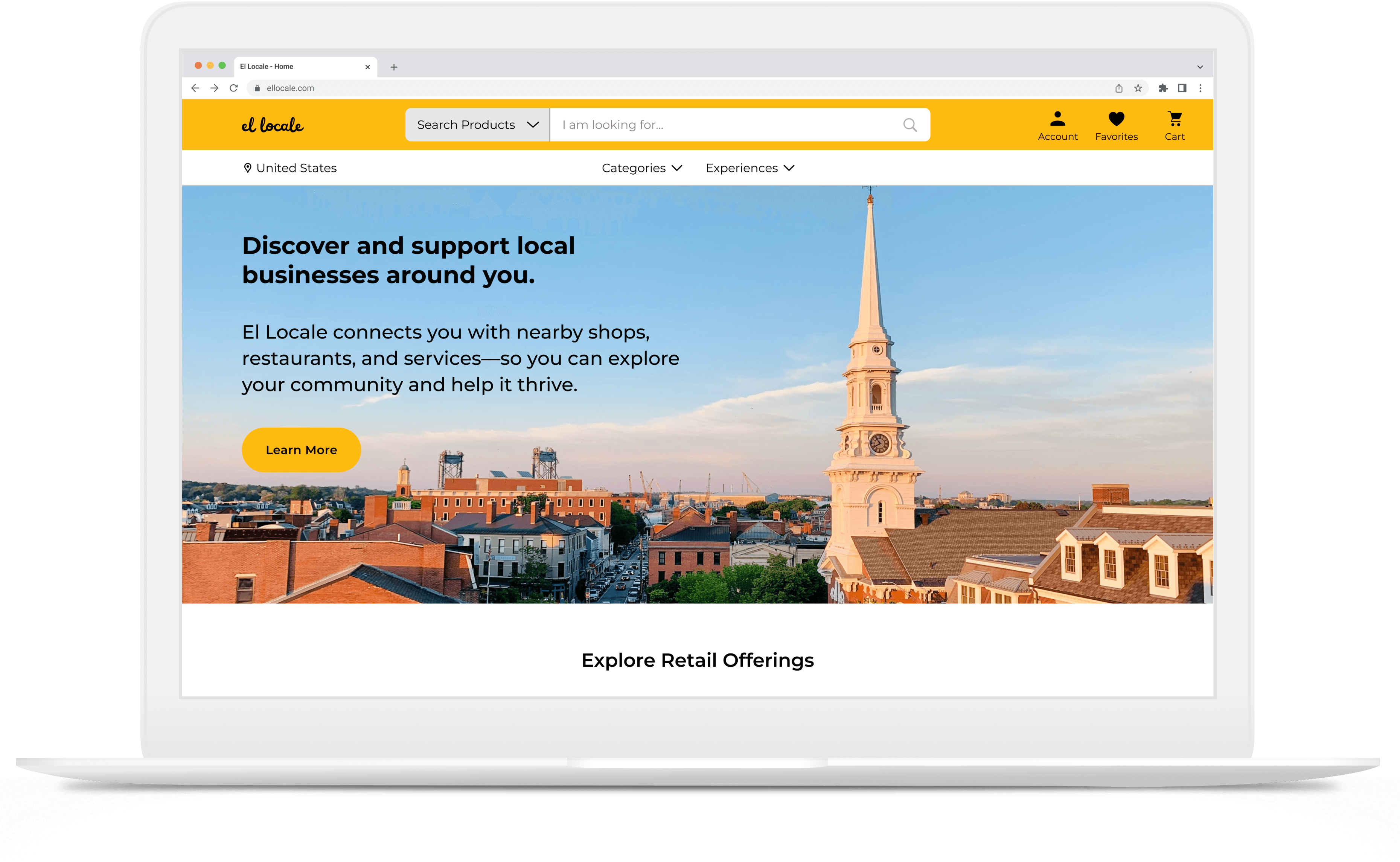
Added a hero section that clearly communicates El Locale’s purpose
Introduced a primary CTA to learn more about the platform
Added category and product cards to encourage exploration without requiring account creation
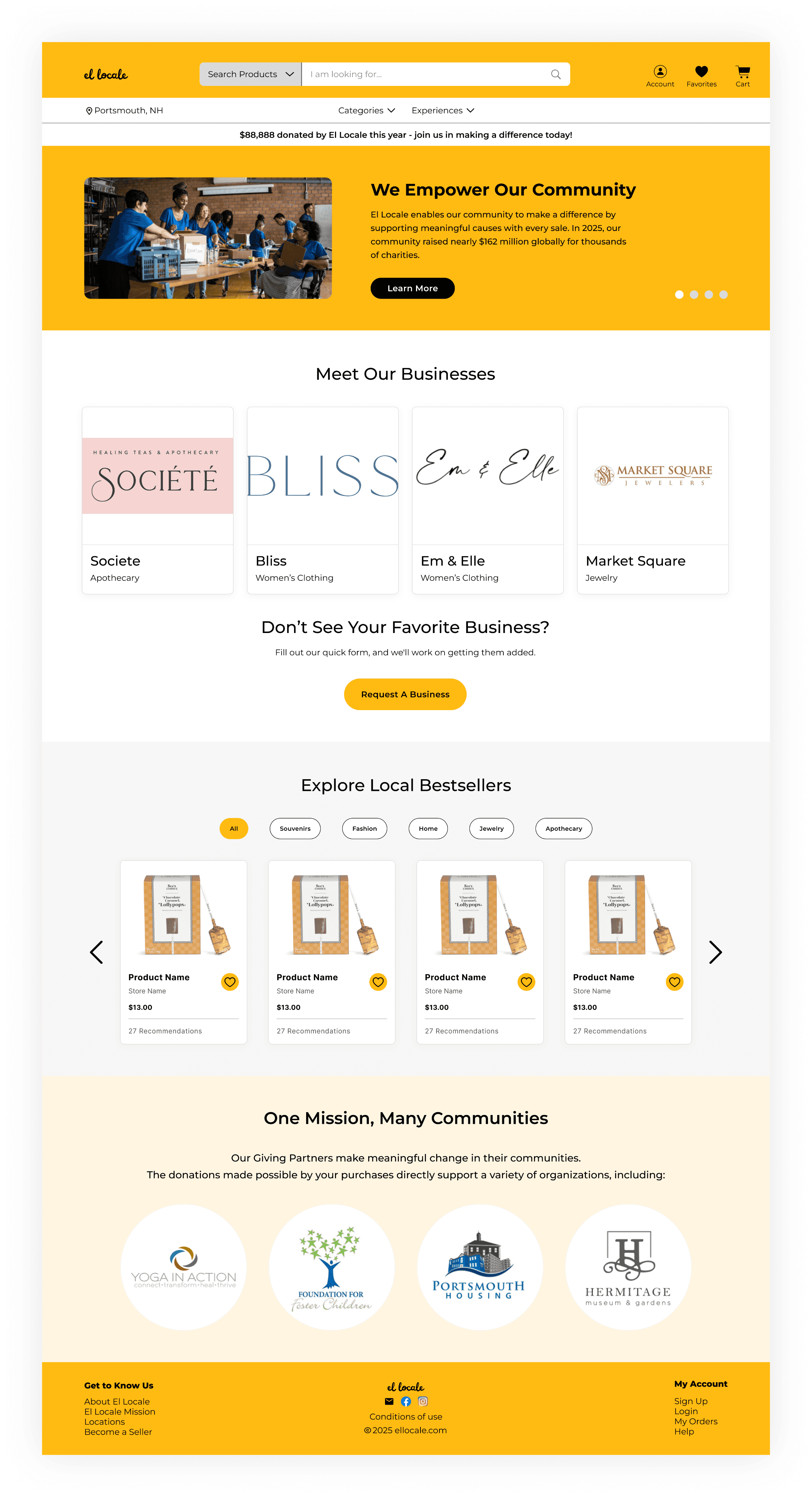
Before
Redesigned
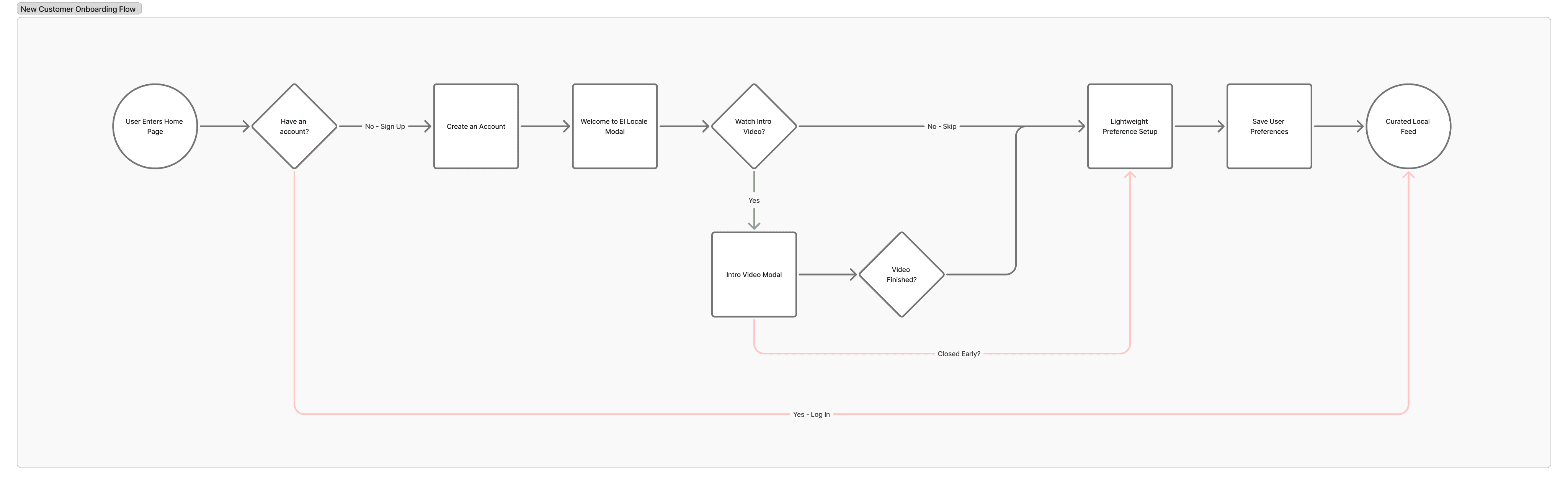
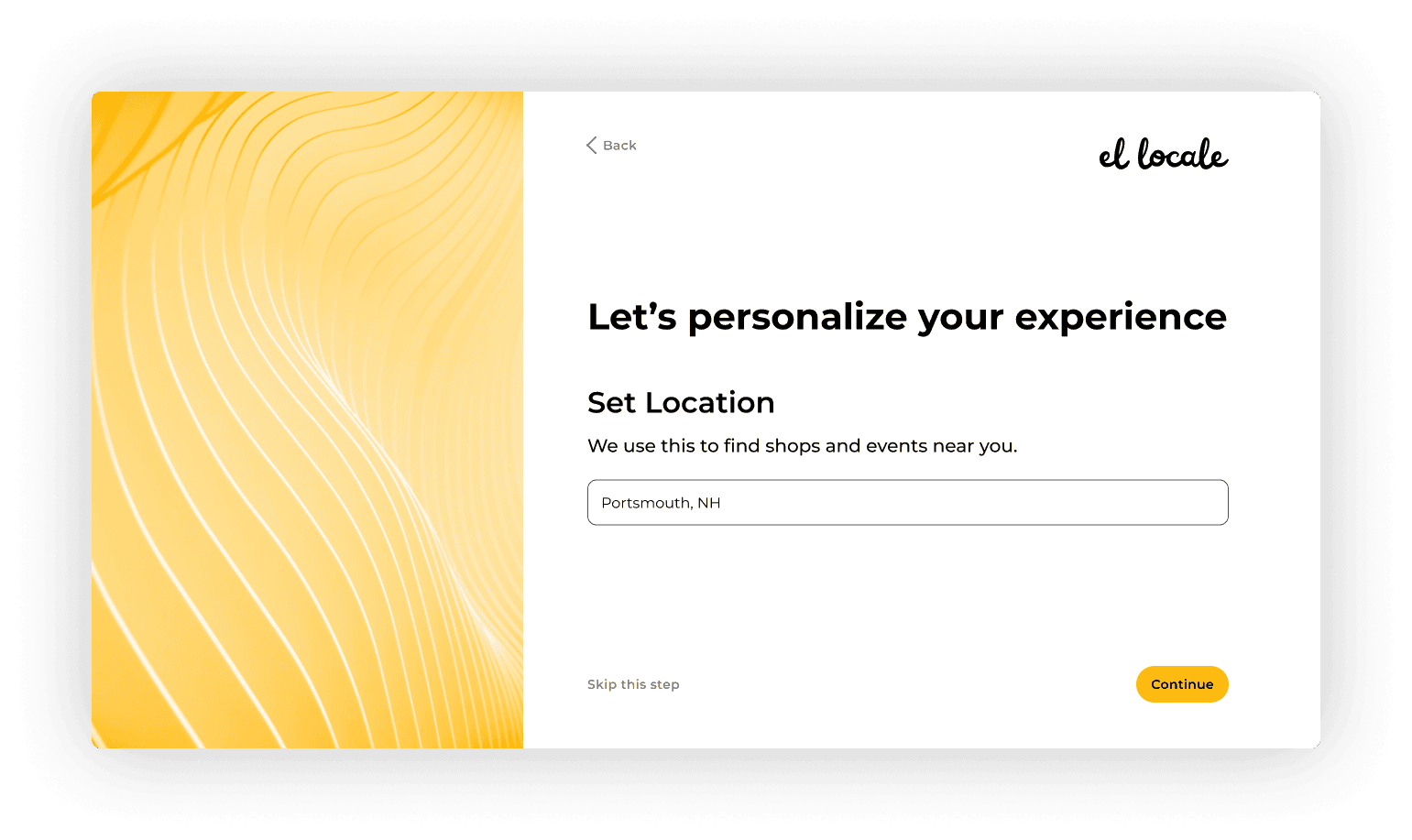
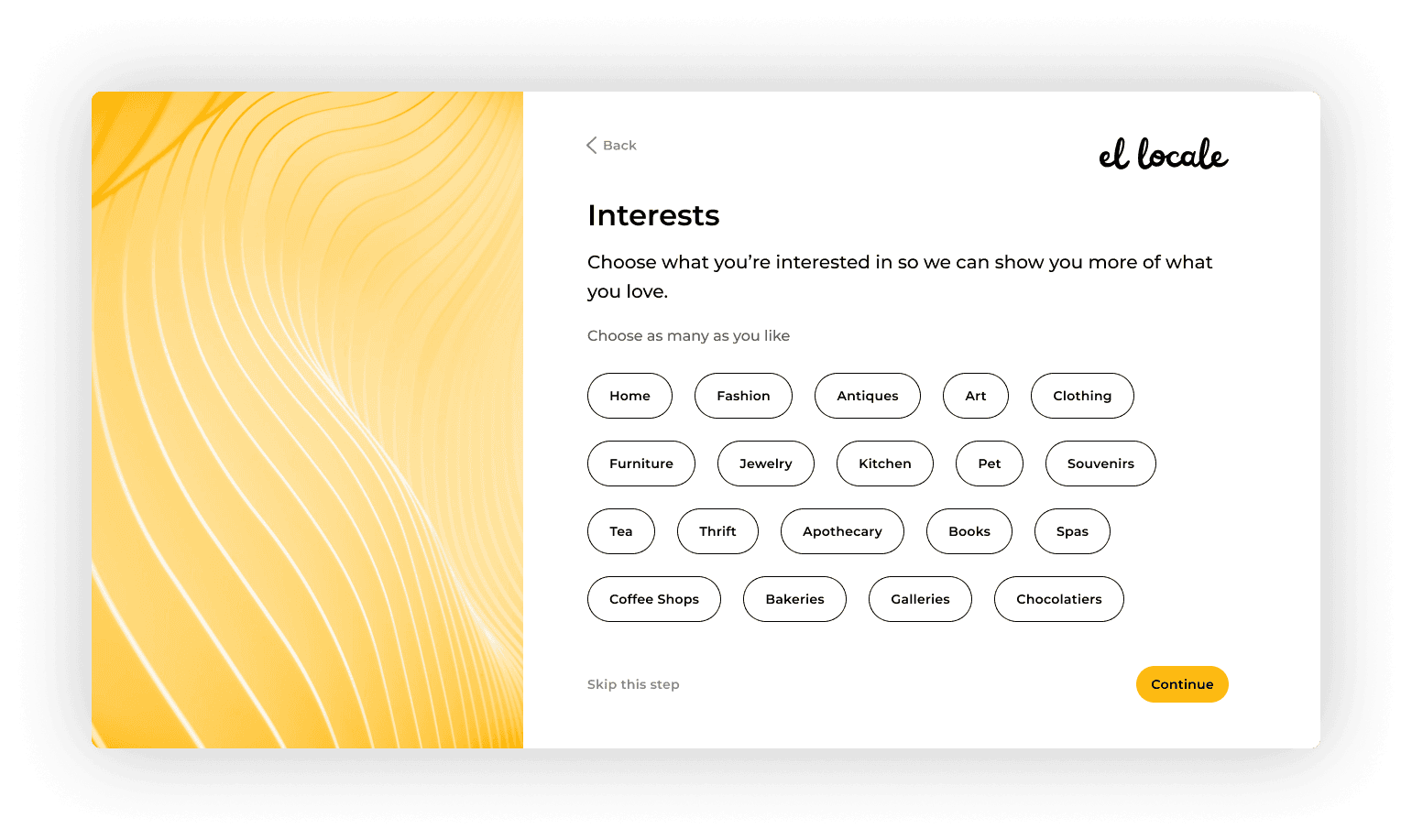
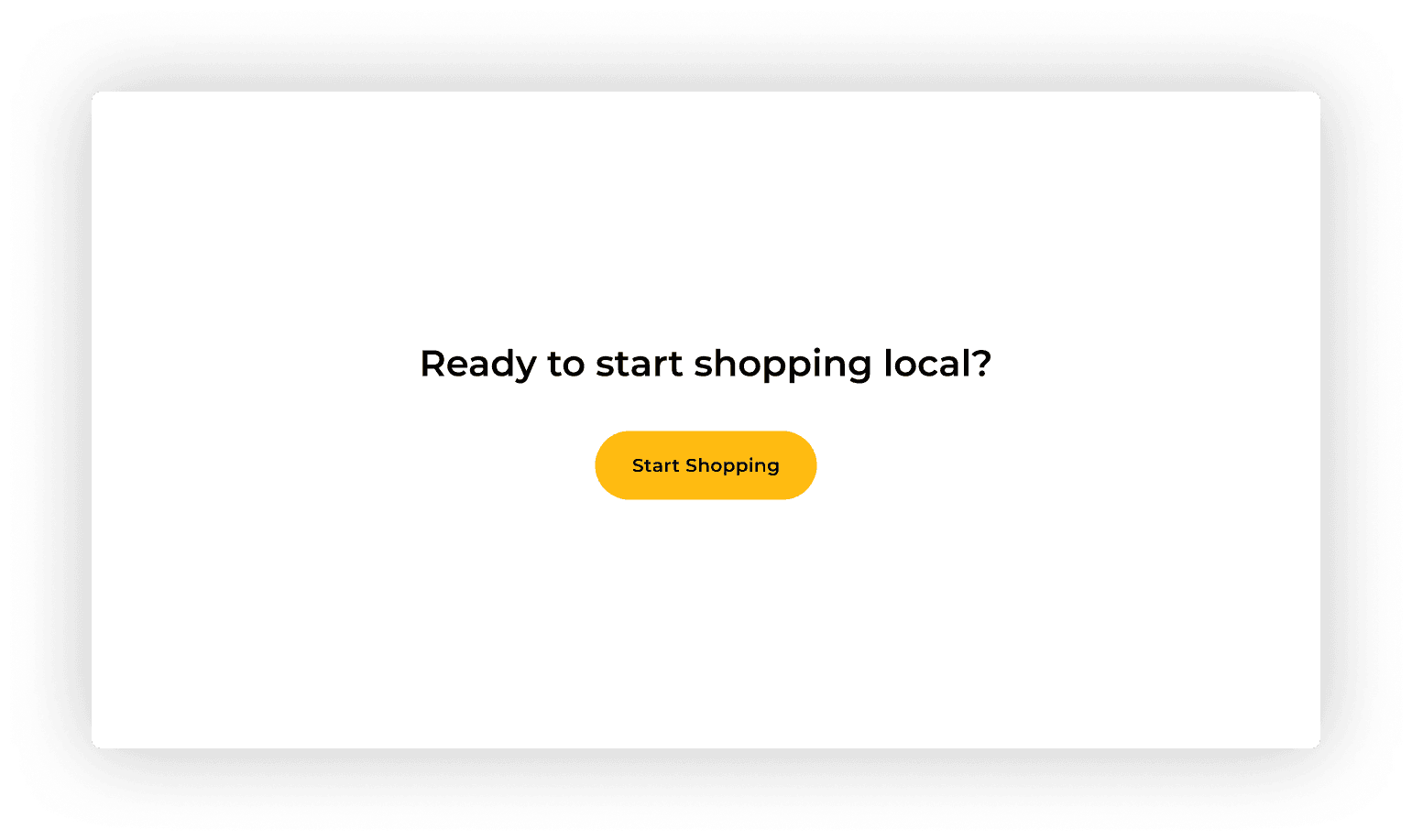
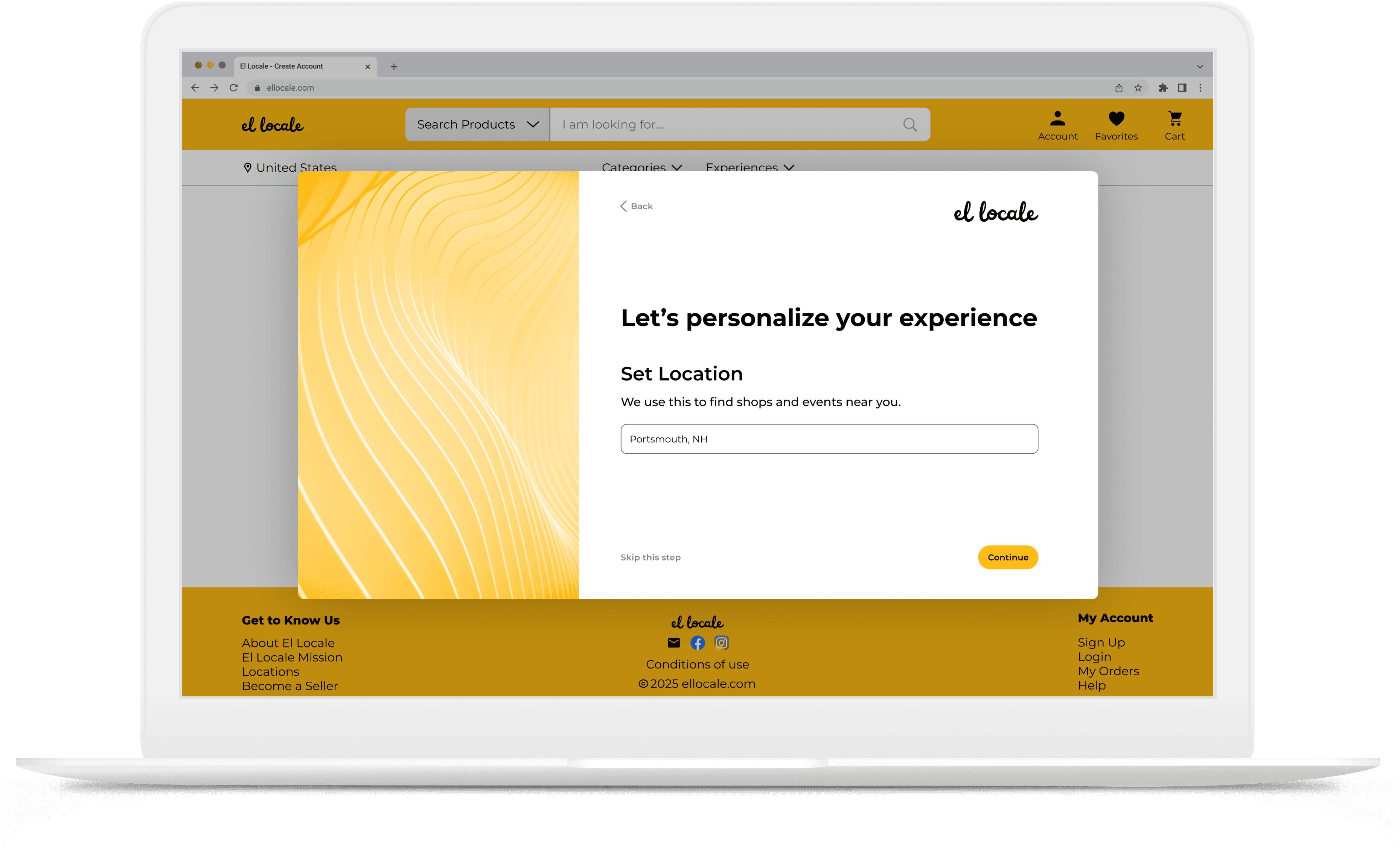
Designed a three-step onboarding flow to reduce cognitive load
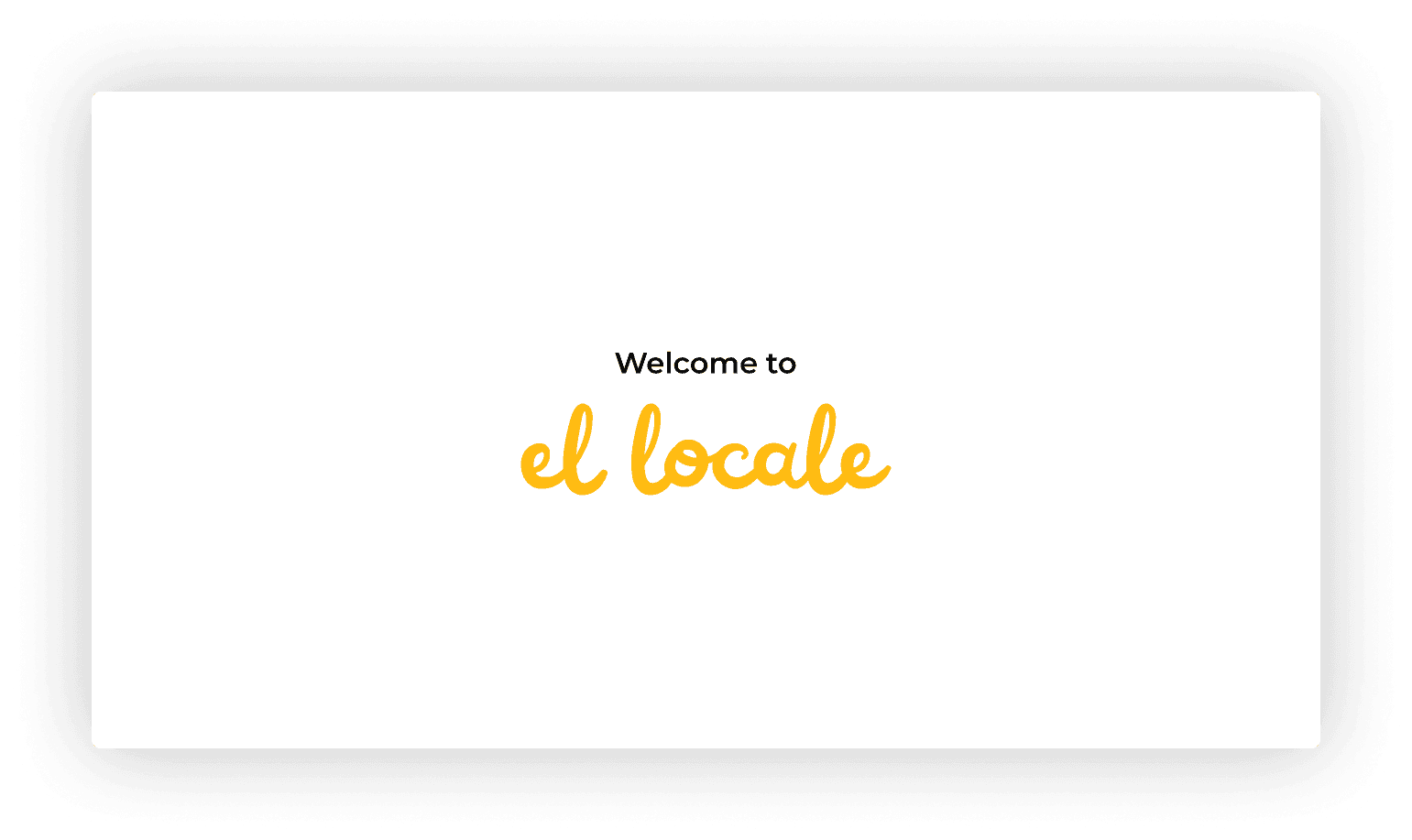
Introduced an introductory video to build brand trust
Collected location and interests to enable early personalization
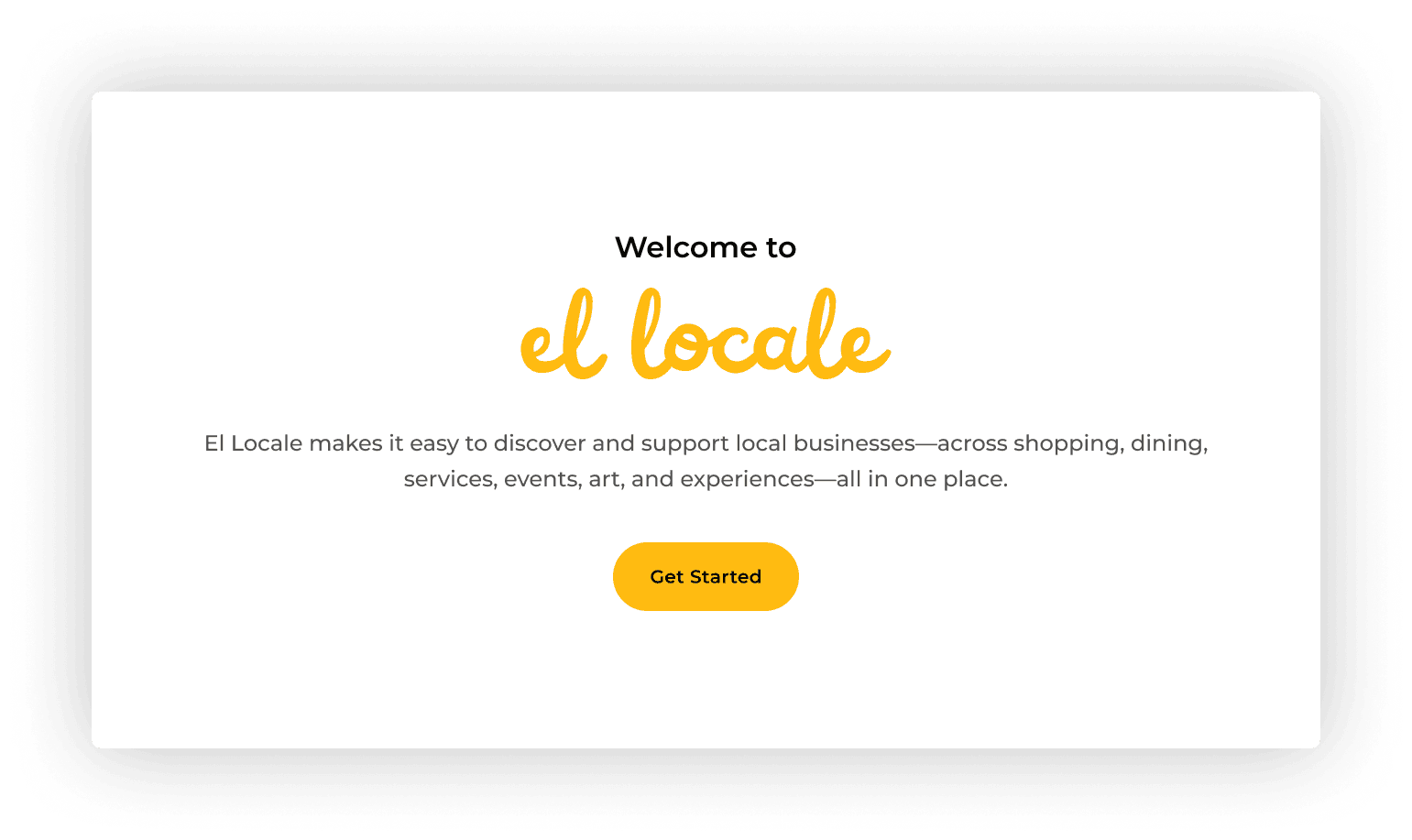
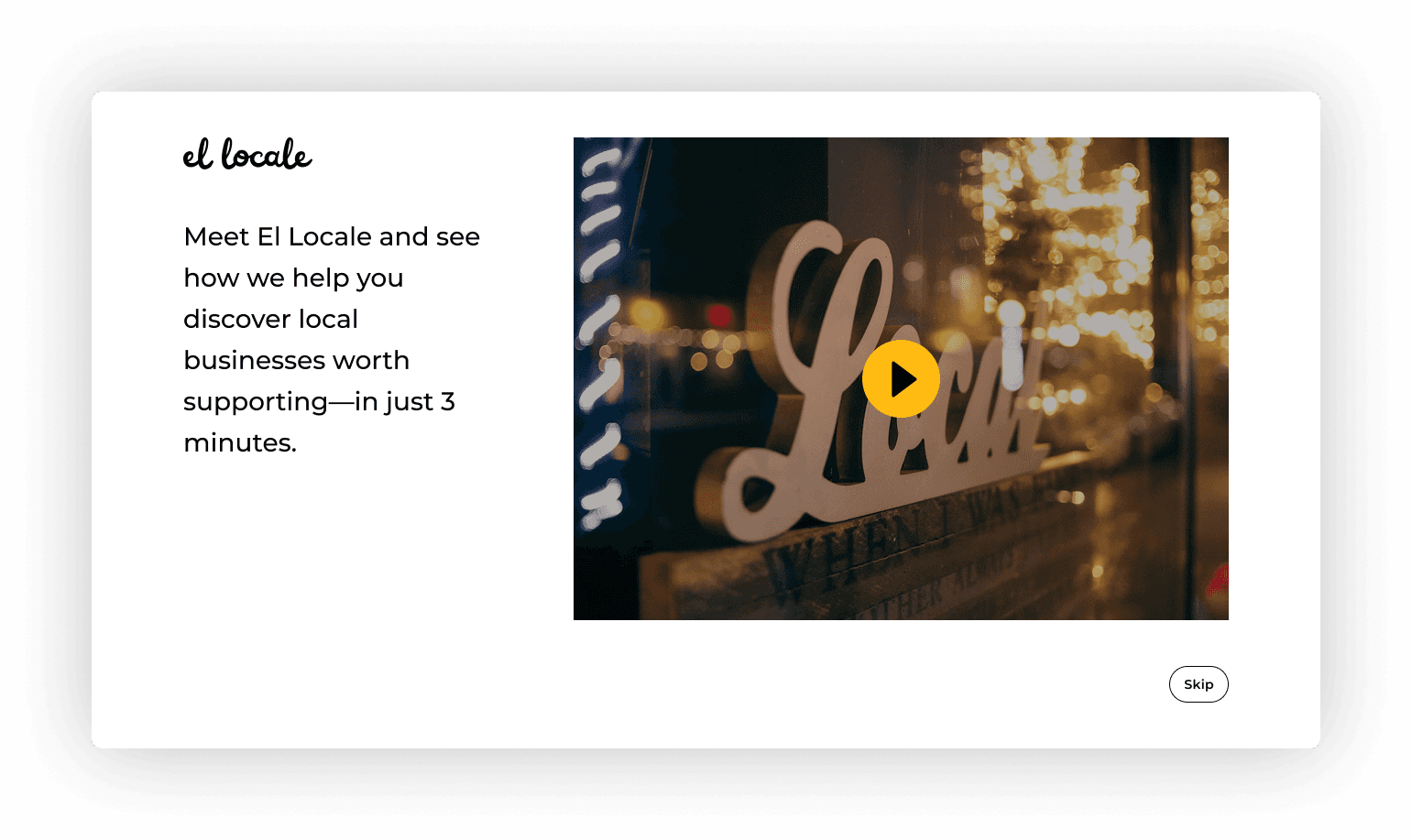
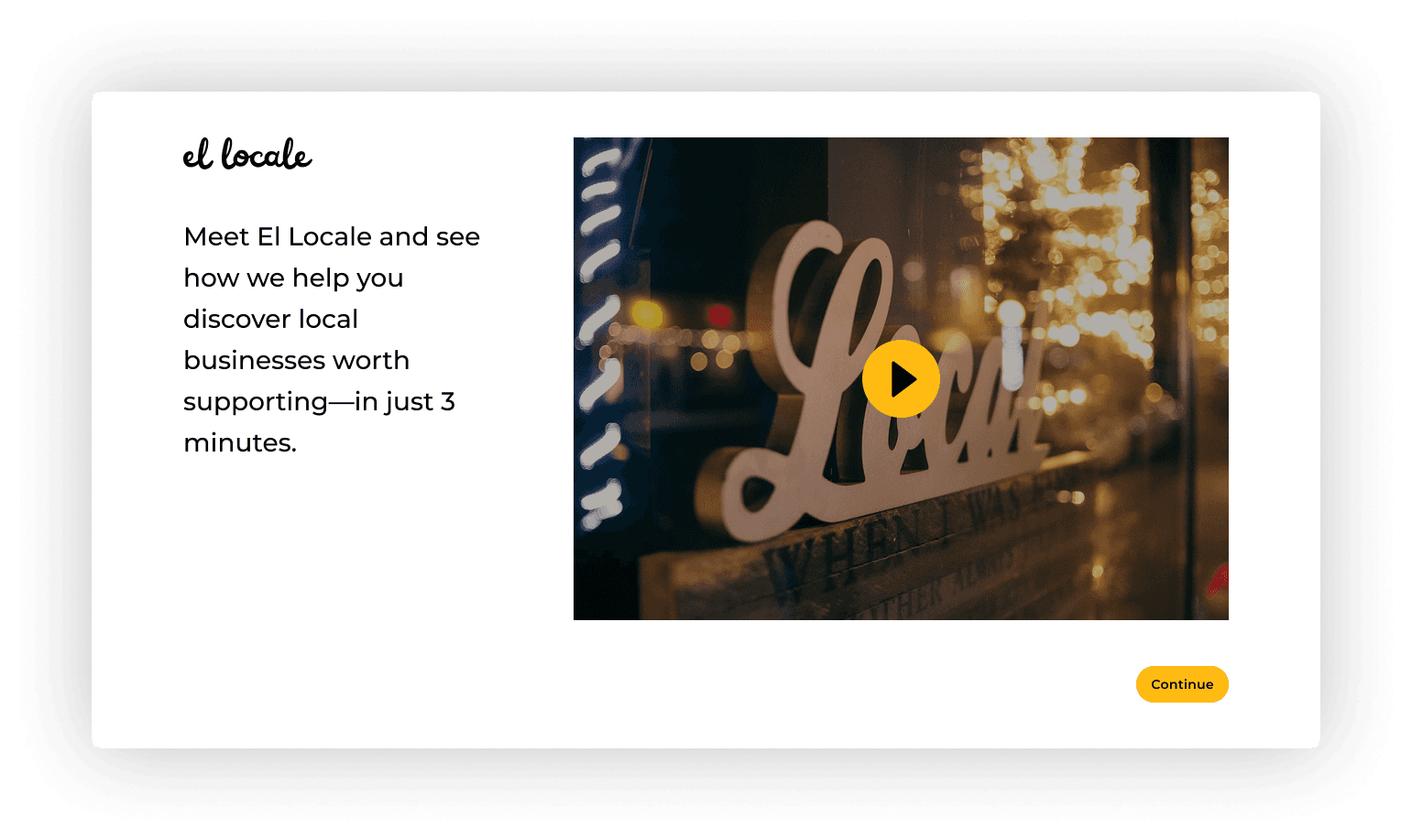
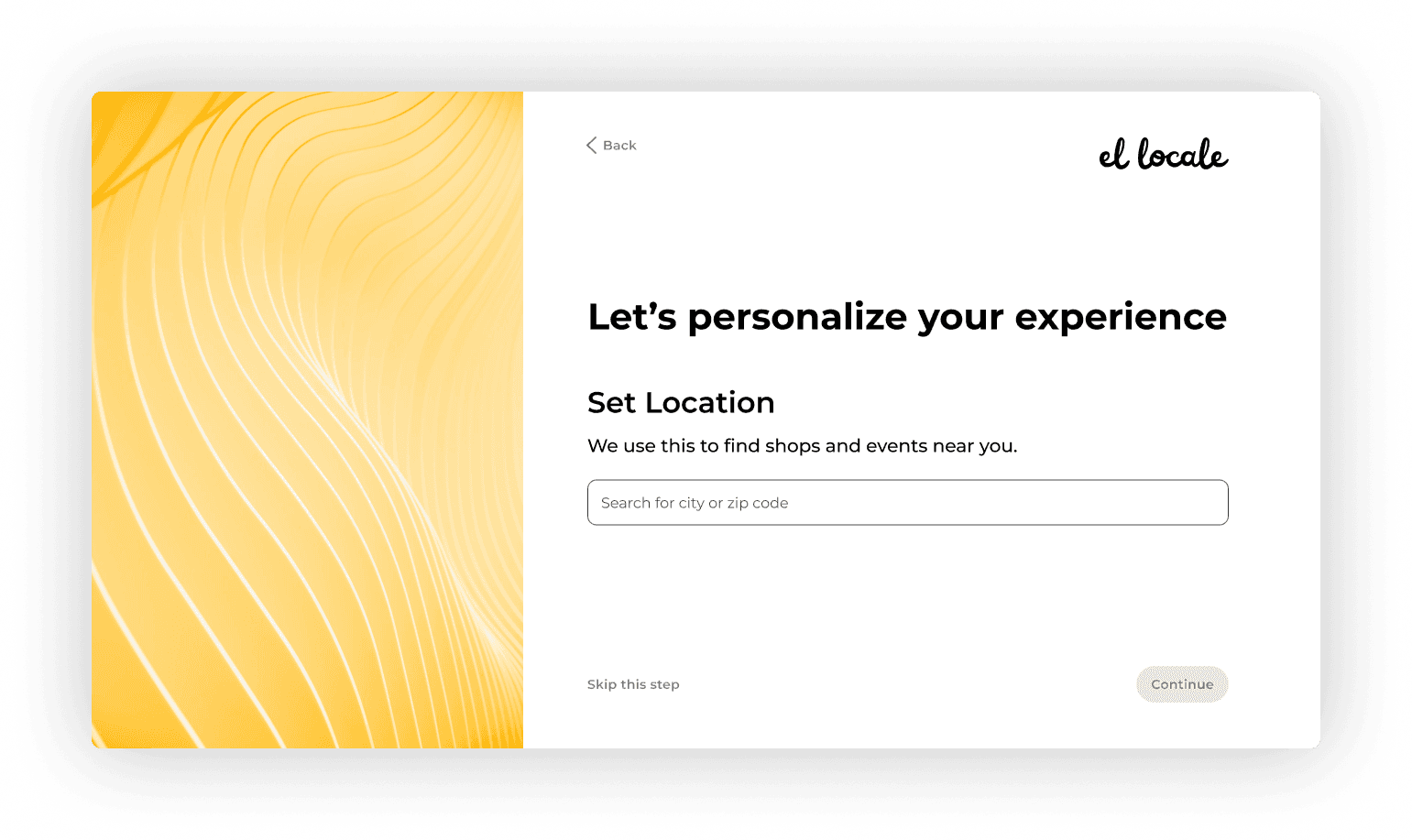
Clickable Prototype
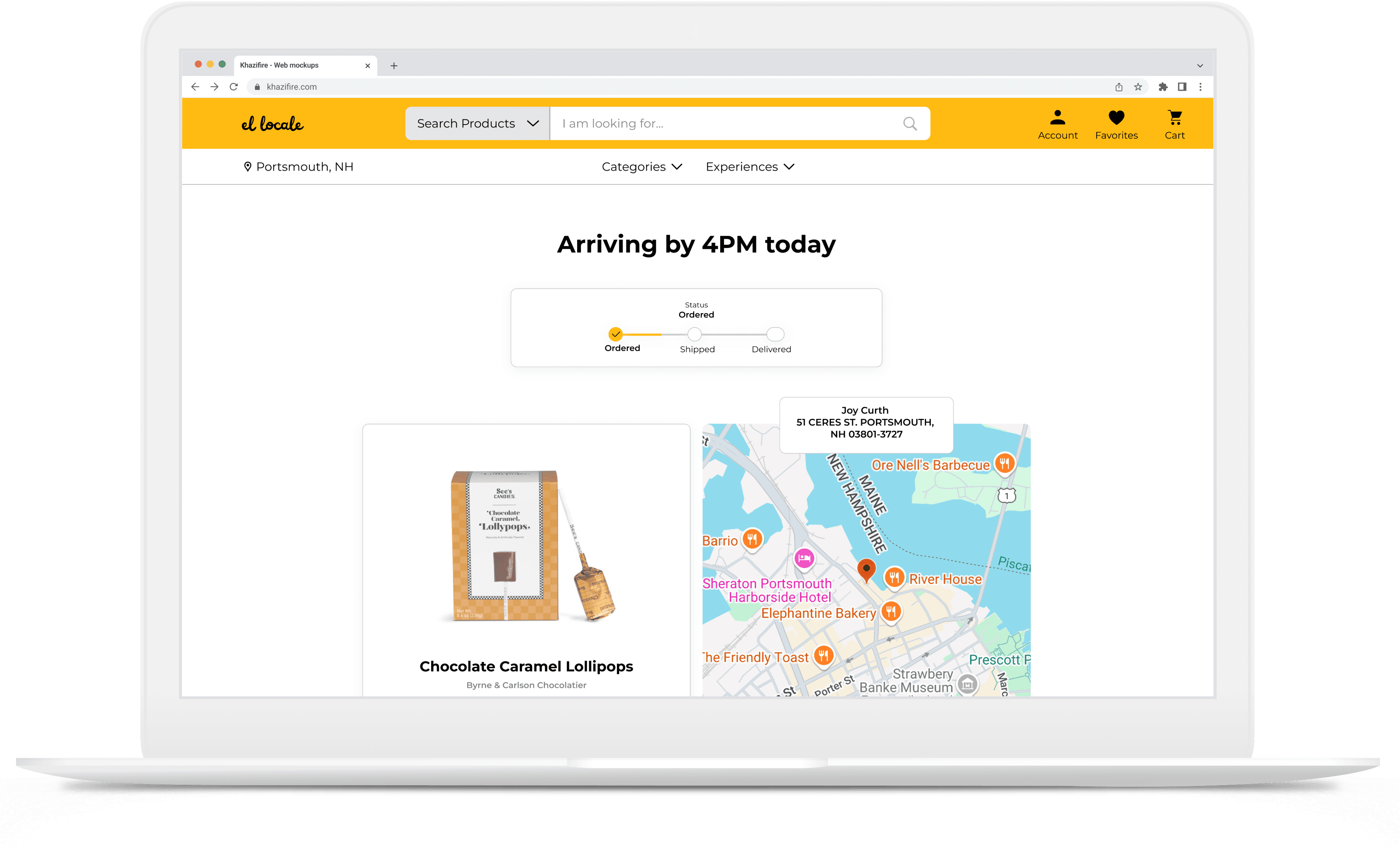
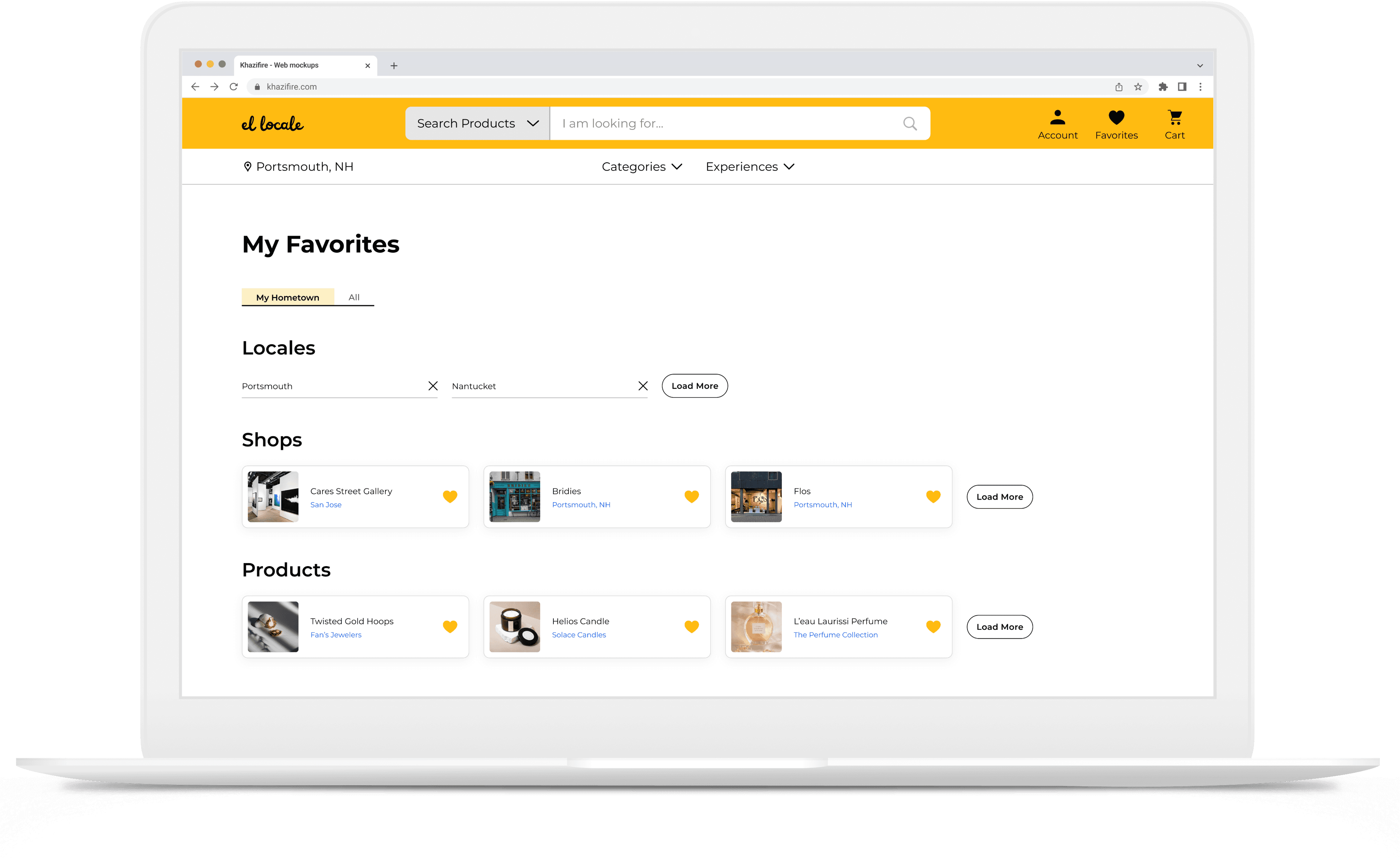
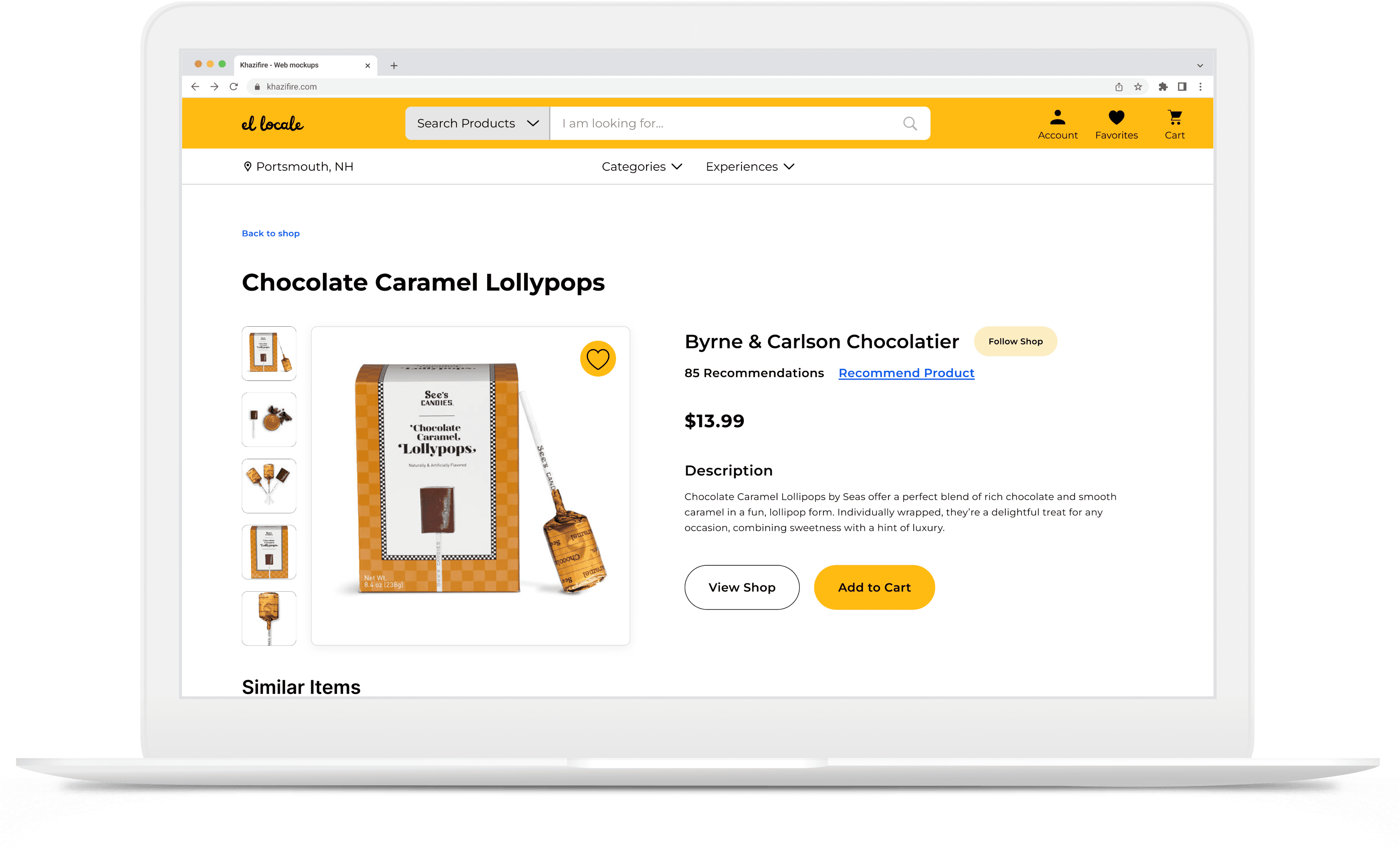
30+ updated screens using standardized components
Homepage redesign
8 modal screens for customer onboarding
Fully clickable onboarding prototype
Updated and organized component library
Design review slide decks (Audit, Design Review 1 & 2, Final)
If time and scope allowed, the following steps would validate and strengthen the solution:
Usability testing of the onboarding flow to measure drop-off
Funnel analysis from homepage to account creation
A/B testing homepage hero messaging and CTAs
Full design system documentation
Business onboarding flow for retailers
This project required balancing business goals, design best practices, and real-world constraints. By grounding decisions in heuristic evaluation and clearly defined hypotheses, I was able to design a solution focused on clarity, consistency, and adoption—while establishing a strong foundation for future iteration.